Top 10 Best task management systems in 2026
Are your tasks scattered everywhere? From spreadsheets to sticky notes, emails, and your own memory - it's easy to lose track. Take control with the right task management system. Explore our top 10 picks and find the one that fits your workflow.
Why Are Task Management Systems So Important?
Task management tools are designed to help individuals and teams stay organized while handling tasks, projects, and daily workflows. They usually offer features like creating and assigning tasks, tracking progress, setting priorities, and collaborating with others - making it easier to stay on schedule, meet deadlines, and work more efficiently.
These tools can range from basic solutions to more advanced platforms, depending on the needs of a business or industry. Many include ready-to-use project templates, automation features, integrations with other services, and detailed reports or analytics that help teams understand and improve their performance.
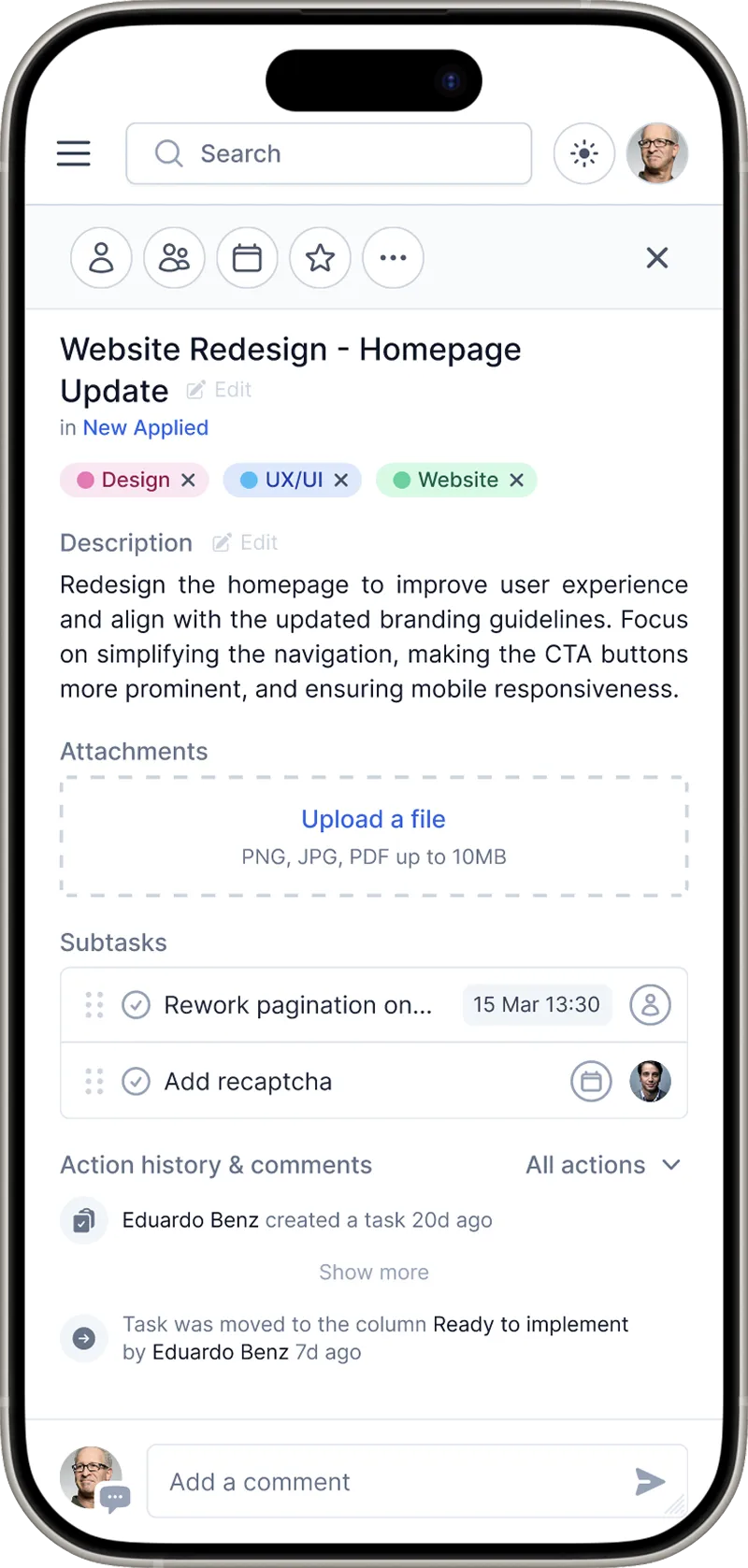
Some task management platforms are cloud-based, allowing access from anywhere with an internet connection, while others can be installed directly on a device. In addition, many provide mobile apps so users can manage their tasks and stay updated wherever they are.
In general, online task management tools play a key role in increasing productivity, minimizing mistakes, and improving teamwork - making them an essential part of modern work environments. Task management tools play a crucial role in keeping work structured, efficient, and collaborative. Here’s why they’re so valuable:
Better organization
With all tasks stored in one place, it's easier to keep track of responsibilities, deadlines, and progress. A centralized system reduces the risk of missed tasks and helps ensure everything gets done on time.
Improved efficiency
By automating routine processes, setting priorities, and simplifying task delegation, these TMS system help teams work faster and with fewer mistakes - leading to higher overall productivity.
Stronger collaboration
Teams can work together more effectively by assigning tasks, sharing files, and staying updated on progress in real time. This improves communication and keeps everyone aligned.
Smarter time management
Built-in features like deadlines, scheduling, and time tracking make it easier to plan workloads and stay on schedule, helping projects move forward without delays.
Overview of 10 Best TMS of 2026
The most effective task management tools bridge the gap between planning and execution - giving managers clear insight into progress while enabling teams to work more efficiently. In this section, we explore how these platforms bring workflows together, streamline repetitive tasks through automation, and adapt as your business grows. You’ll also find an overview of their use cases, core features, pricing, and key factors to consider before getting started.
Here’s a quick overview of the top 10 platforms:
- advertisement

Projectlify
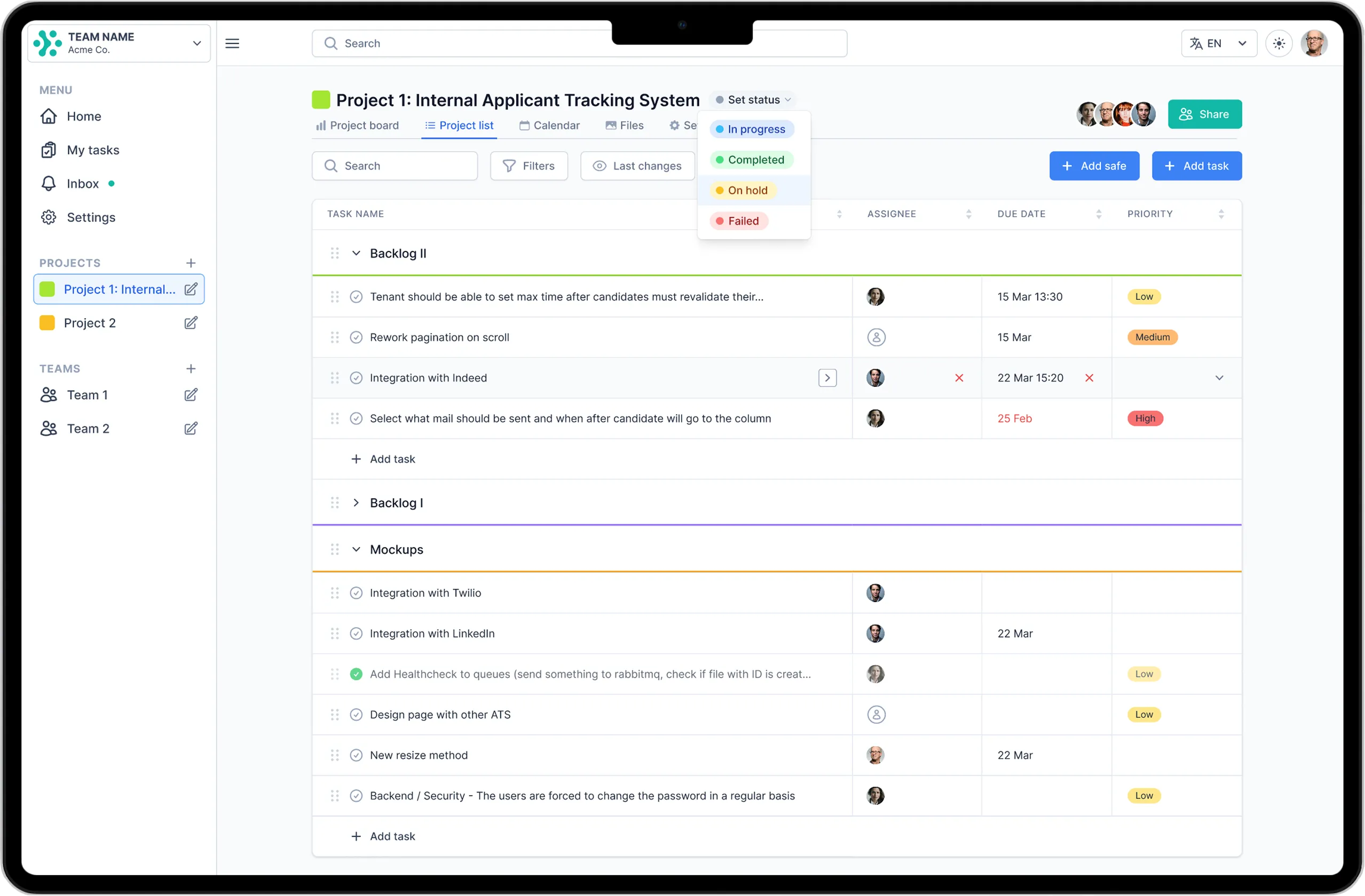
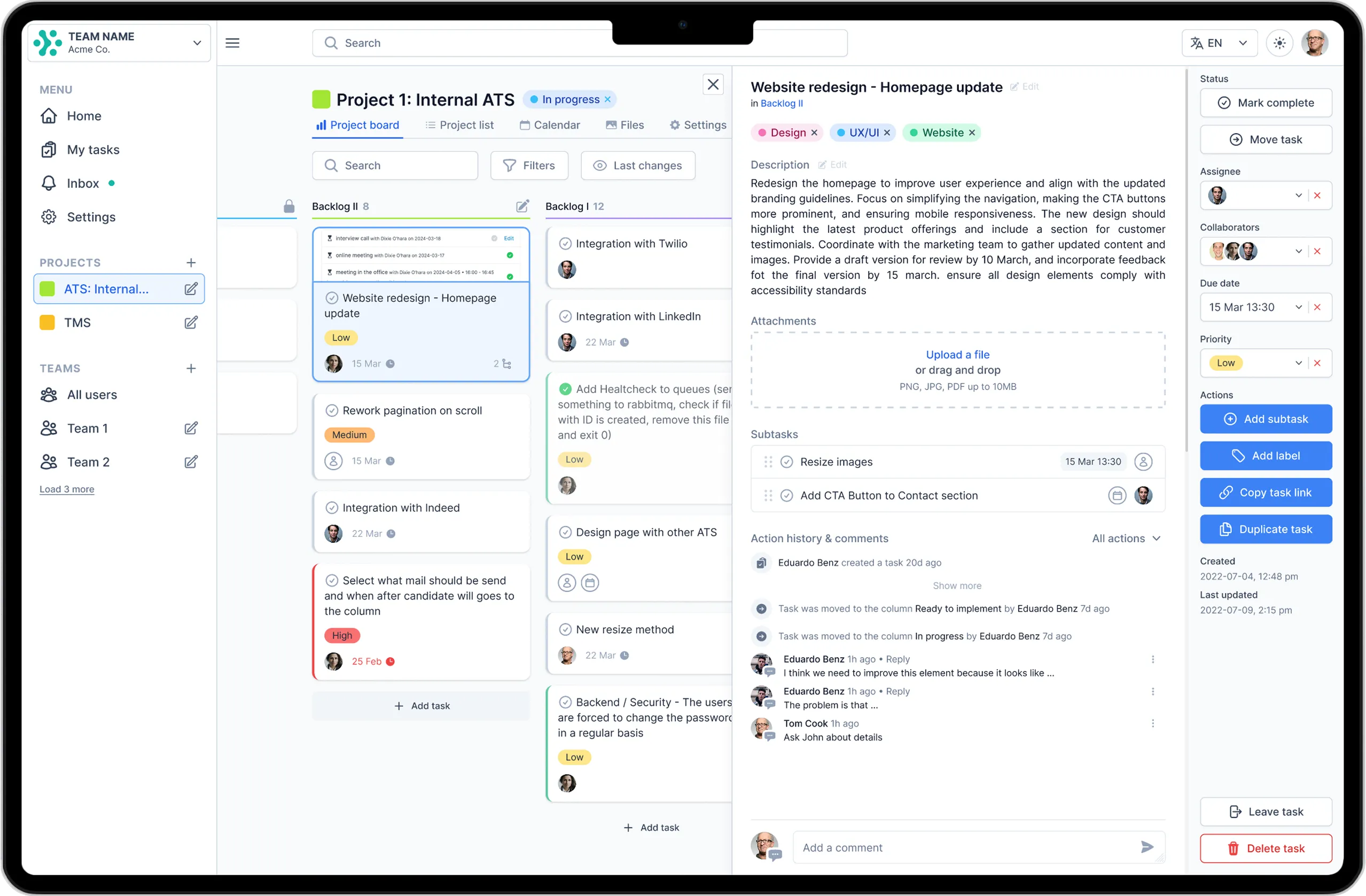
Projectlify is a task management system designed to streamline workflows with collaboration and security features. Teams can assign tasks, track progress in real time, and stay aligned across projects.
The collaborative workspace enables sharing of tasks, files, and updates in a unified platform. Smart notifications and reminders help meet deadlines and milestones. Encrypted safes securely share sensitive information like passwords and API keys with role-based access controls
Key features
Multi-tenant collaboration - Collaborate effortlessly across different departments or more that one client companies within a single platform.
Secure Data Sharing - Safely exchange sensitive information with built-in encryption, ensuring that your data remains protected.
Highlights
- Role-based access control ensures sensitive information is visible only to authorized team members
- Integrated calendar view highlights upcoming tasks, deadlines, and key milestones
- Intuitive task pipeline enables easy prioritization, assignment, and progress tracking at a glance
- Centralized project workspace keeps all information in one place for fast access and smooth collaboration
- Streamlined task creation and assignment helps teams maintain momentum and stay on track
Advantages
- Real-time task tracking
- Collaborative workspace (Multi-tenant)
- Smart notifications & reminders
- Flexible team creation
- Changeable project view
- Secure data sharing
-

#1 Asana
4.5/5 stars
Capterra rating among 13,600+ customersAsana is a versatile project management platform designed to support teams of all sizes. It brings together essential tools - such as file sharing, project planning, timelines, and customizable dashboards - within a single, easy-to-navigate workspace.
One of its strongest advantages is its clean and visually appealing interface, which makes daily use more enjoyable - an important factor for teams that rely on the platform throughout the day. That said, it’s not without drawbacks. Some users find that managing recurring tasks can be less intuitive compared to other tools.
Key features
Workflow builder - A visual system for designing and managing workflows. Teams can coordinate tasks, handle approvals, and streamline processes while connecting different team members and tools.
Strategic goals - Allows managers to define clear objectives and track progress through measurable targets, helping teams stay aligned and focused.
Highlights
- Simplifies collaboration with visual workflows and task coordination
- Keeps teams aligned by setting and tracking shared goals
- Timeline (Gantt-style) views offer a clear picture of progress and resource planning
- Real-time reporting helps teams adjust before issues escalate
- Integrates with 200+ tools, including platforms like Google Drive, to enhance productivity and automation
Advantages
- Generous free plan with a wide range of features
- Comprehensive project visibility tools
- Flexible work organization platform
Disadvantages
- Performance and reliability concerns
- Pricing may be less accessible for smaller teams
- No live chat or phone-based customer support
Overall rating
4.4Ease of use Among: 12,000+ users4.4Value for money Among: 8,700+ users4.3Customer service Among: 7,800+ users -

#2 Jira
4.4/5 stars
Capterra rating among 15,400+ customersJira was originally created for software development but has expanded into a broader set of tools, including Jira Software, Jira Core, and Jira Work Management. Together, these solutions help teams organize projects, collaborate effectively, and manage workflows from start to finish.
Because of its roots in development, Jira remains especially well-suited for Agile teams. It offers dedicated features for Scrum methodologies, including sprint planning and tracking, along with tools that provide clear visibility into development progress.
Key features
Dashboard view - Customizable dashboards allow teams to plan projects, monitor progress, and keep track of deadlines in one place.
Advanced search - With Jira Query Language (JQL) and detailed filtering options, users can quickly locate tasks, issues, and projects.
Highlights
- Create custom work request forms using an intuitive drag-and-drop builder
- Easily import and export data from spreadsheets and other tools
- Track time spent on tasks and projects to better understand workload and capacity
Advantages
- Powerful and flexible search capabilities
- Comprehensive agile workflow support
- Detailed progress monitoring tools
Disadvantages
- Sluggish performance with scale
- No native Gantt chart functionality
- Complex and confusing navigation
Overall rating
4.1Ease of use Among: 14,300+ users4.3Value for money Among: 9,700+ users4.2Customer service Among: 9,500+ users -

#3 Monday.com
4.6/5 stars
Capterra rating among 6,000+ customersMonday.com is a comprehensive project management platform designed to streamline workflows and improve team productivity. It offers a wide range of templates and built-in tools that help teams organize tasks and optimize daily operations. One of its strengths lies in its automation capabilities, which work seamlessly across numerous integrations to reduce manual effort.
Positioned as a "work OS," Monday.com stands out for its high level of customization. Users can build and adapt workflows to match their processes without needing coding skills, making it accessible yet powerful.
Key features
Custom dashboards - Users can create tailored dashboards to view project data from multiple perspectives. These dashboards provide real-time insights into progress, timelines, and budgets, helping managers make informed decisions quickly.
Automation tools - Advanced automation features allow teams to reduce repetitive work. Tasks can trigger notifications, status changes, or actions based on predefined "if-this-then-that" rules.
Highlights
- Access to 100+ ready-made templates for various workflows and use cases
- Flexible dashboards and views for better visibility into performance and progress
- 200+ integrations with popular tools to extend functionality
- Automation features that streamline processes and reduce bottlenecks
- Kanban boards for simple and effective task tracking
Advantages
- Modern, visually appealing interface
- Extensive library of pre-built templates
- Strong automation and workflow capabilities
Disadvantages
- Confusing pricing structure
- Occasional performance or stability issues
- Interface can feel cluttered with large-scale projects
Overall rating
4.5Ease of use Among: 5,600+ users4.3Value for money Among: 4,300+ users4.4Customer service Among: 4,100+ users -

#4 Trello
4.5/5 stars
Capterra rating among 23,500+ customersTrello is a Kanban-style project management tool built around a simple drag-and-drop interface. It’s designed to help teams organize tasks visually and manage workflows with minimal complexity.
The platform is particularly effective for small teams and straightforward projects, where ease of use and quick setup are key advantages. However, it may be less suitable for larger organizations or projects that require more advanced planning and coordination.
Key features
Kanban boards - Visual boards allow users to organize tasks into columns and move them through different stages of completion.
Custom task cards - Each task can be enriched with due dates, comments, attachments, and other details to keep team members informed.
Highlights
- Simple drag-and-drop Kanban system for fast task management
- Customizable task cards help reduce confusion and keep work organized
- Built-in automation features help streamline repetitive actions and save time
Advantages
- Clean, visually appealing, and customizable interface
- Real-time team collaboration platform
- Easy to learn and quick to implement
Disadvantages
- Requires integrations for more advanced use cases
- Not ideal for large or complex project environments
- Cumbersome and unreliable notifications
Overall rating
4.5Ease of use Among: 22,300+ users4.5Value for money Among: 15,100+ users4.3Customer service Among: 12,600+ users -

#5 ClickUp
4.6/5 stars
Capterra rating among 4,600+ customersClickUp is a flexible project management platform designed to support remote teams and a wide range of workflows. It combines collaboration tools with task management features, helping teams stay aligned and productive in distributed work environments.
Positioned as an all-in-one solution, ClickUp aims to replace multiple tools by offering a broad feature set - including built-in documents, sprint management, roadmaps, and more. It’s core features are reliable and easy to get started with, making it a popular choice for teams looking for a quick setup and a centralized workspace.
Key features
Document hub - Create and manage internal documentation, wikis, and knowledge bases to support onboarding and reduce dependency on team leads.
Checklists - Break tasks down into smaller, actionable steps, making it easier to monitor progress and track individual contributions.
Highlights
- Visualize projects and workflows using mind maps
- Centralized documentation helps streamline communication and onboarding
- Detailed checklists support precise task tracking
- Task dependencies make it easier to identify and resolve bottlenecks
- Two-way integration with Google Calendar helps teams stay on top of deadlines
Advantages
- Modern, visually engaging interface
- Quick and straightforward onboarding process
- Helpful mind mapping tools for planning and organization
Disadvantages
- Performance can be slow at times
- Limited functionality for mobile app
- Some features may feel inconsistent or less intuitive
Overall rating
4.3Ease of use Among: 4,500+ users4.6Value for money Among: 3,500+ users4.5Customer service Among: 3,100+ users -

#6 Hive
4.4/5 stars
Capterra rating among 200+ customersHive is a project management platform that blends task management with communication, time tracking, and automation tools.
One of its distinguishing features is its user-driven development approach - new features are frequently introduced based on feedback from the Hive community.
Key features
Time tracking - Team members can log hours spent on tasks, while managers gain visibility into overall team effort and time allocation.
Messaging - Built-in messaging, along with integrations for Gmail and Outlook, enables quick and convenient communication within the platform.
Highlights
- Fast communication through in-app messaging and email integrations
- Ongoing feature updates shaped by user feedback
- Team-wide time tracking for better workload visibility
- Multiple project views for quick access to key information
Advantages
- Six different project views, including Gantt charts
- Built-in messaging simplifies team communication
- HiveMind AI features enhance productivity
Disadvantages
- No native resource management tools
- Lacks portfolio-level reporting capabilities
- Interface can feel overwhelming due to high activity
Overall rating
4.4Ease of use Among: 200+ users4.4Value for money Among: 160+ users4.5Customer service Among: 170+ users -

#7 Todoist
4.6/5 stars
Capterra rating among 2,600+ customersTodoist focuses on simplicity, offering a streamlined approach to task management without unnecessary complexity. It helps individuals and small teams stay organized by keeping workflows clear and easy to manage. With strong cross-platform support and straightforward pricing, it's especially well-suited for handling everyday tasks and smaller projects.
Trusted by millions of users and recognized by companies like Apple and Microsoft, Todoist has built a reputation as a dependable productivity tool.
Key features
Cross-platform synchronization - Tasks update instantly across multiple devices, including desktop, mobile, browsers, and wearables - ensuring access from anywhere.
Team workspaces - Shared environments allow teams to collaborate with defined roles, permissions, and activity tracking.
Highlights
- Clean, distraction-free interface for efficient task management
- Reliable syncing across a wide range of devices and platforms
- Easy collaboration for small teams and shared projects
- AI features that simplify task creation and organization
Advantages
- Simple interface, ideal for everyday task management
- Quick to learn, even for new users
- Lightweight and efficient for personal and small team use
Disadvantages
- Lacks more robust tools such as timelines or Gantt charts
- Advanced features like reminders, labels, and filters require a paid plan
Overall rating
4.6Ease of use Among: 2,600+ users4.5Value for money Among: 1,700+ users4.4Customer service Among: 1,400+ users -

#8 Wrike
4.4/5 stars
Capterra rating among 3,000+ customersWrike is a powerful work management solution often chosen by enterprises that prioritize security, flexibility, and control over their workflows. It's particularly well-suited for large organizations handling complex projects across multiple departments, helping bridge the gap between high-level planning and day-to-day execution.
At the core of the platform is its structured data model, which enables teams to map workflows that closely reflect real business processes. With a large global customer base - including companies like Siemens and Walmart - Wrike has established itself as a scalable and reliable system for managing work at an enterprise level.
Key features
Custom workflows and data modeling - Flexible configuration options allow teams to design workflows and data structures tailored to their specific operational needs.
Enterprise-grade security - Advanced security standards, including SOC 2 Type II and ISO certifications, along with options like customer-managed encryption keys, ensure strong data protection.
Highlights
- Design tailored workflows for each department to match specific processes
- Monitor KPIs and OKRs with real-time performance insights
- Manage tasks and track progress using Kanban boards and Gantt charts
- Leverage a wide range of templates to streamline daily operations
- Analyze projects from multiple perspectives with customizable dashboards
- Gain full stakeholder visibility with comprehensive, end-to-end insights
Advantages
- Fast, easy onboarding and learning curve
- Advanced AI and automation capabilities
- Suitable for enterprise-level customers
Disadvantages
- Full capabilities require some training
- Gantt charts available on paid plans
- Frequent bugs and technical glitches
Overall rating
4.2Ease of use Among: 2,500+ users4.2Value for money Among: 1,800+ users4.3Customer service Among: 2,000+ users -

#9 Miro
4.7/5 stars
Capterra rating among 1,700+ customersMiro reimagines the traditional whiteboard as a dynamic, AI-powered collaboration workspace. Built around an infinite canvas, it enables cross-functional teams and business leaders to connect strategy, design, and execution within a single visual environment - making it especially valuable for organizations managing complex, collaborative workflows.
Key features
Real-time editing - Multiple users can work simultaneously with instant updates, live cursor tracking, tagging, and sketching. This makes it effective for both small team sessions and large-scale remote workshops.
Mind mapping - Flexible, expandable mind maps allow teams to organize ideas visually, making brainstorming, planning, and restructuring concepts faster and more intuitive.
Highlights
- AI-powered visual workspace that helps automate multi-step processes
- Scalable collaboration frameworks to standardize workflows and scale collaboration across teams
- Product planning and tracking enable seamless tracking of project execution
Advantages
- Versatile visual brainstorming platform
- Seamless remote teamwork tools
- Efficient real-time teamwork features
Disadvantages
- Complex navigation and controls
- Frequent bugs and reliability concerns
- Clunky zoom and scaling
Overall rating
4.5Ease of use Among: 1,600+ users4.4Value for money Among: 1,000+ users4.3Customer service Among: 800+ users -
#10 Zoho projects
4.5/5 stars
Capterra rating among 900+ customersZoho Projects is part of the broader Zoho ecosystem, which includes tools for CRM, recruitment, and sales. It's especially beneficial for teams already using Zoho products, as it enables smooth data synchronization and collaboration across different business functions.
The platform focuses on task management and workflow automation, helping project managers oversee progress while allowing team members to collaborate efficiently on individual tasks. While it supports a variety of industries, it is particularly well-suited for real estate workflows, offering features tailored to manage complex, multi-step processes.
Key features
Blueprints - Structured workflows that require approvals at different stages, ensuring tasks move forward only when specific conditions are met. Notifications keep teams informed throughout the process.
Issue management - Tools for identifying, tracking, and prioritizing issues. Custom views help teams focus on the most critical or time-sensitive problems.
Highlights
- Gantt charts with baselines to plan and monitor critical tasks
- Task dependencies to define execution order and manage complex workflows
- Kanban boards with drag-and-drop functionality for easy task tracking
- Issue tracking tools to identify and resolve bottlenecks
- Blueprint-based workflows to manage approvals and streamline processes
Advantages
- Feature-rich mobile app for managing work on the go
- Competitive pricing per user
- Automation features available across all plans
Disadvantages
- Fewer integrations available on lower-tier plans
- Data entry can be time-consuming in some scenarios
- Limited flexibility when working on mobile phone
Overall rating
4.4Ease of use Among: 800+ users4.4Value for money Among: 700+ users4.3Customer service Among: 700+ users
10 Best TMS Systems of 2026
The right task management tool bridges planning and execution - providing clear visibility into progress while helping teams work more efficiently. Below is a quick comparison of the top 10 platforms, including their key features, use cases, pricing, and important considerations.
| TMS | Key features | Free trial | Price |
|---|---|---|---|
| Projectlify |
| Free for at least 6mo | Startup Plan starts from $1.99 |
| Asana |
|
| |
| Jira |
|
| |
| Monday.com |
|
| |
| Trello |
|
| |
| ClickUp |
|
| |
| Hive |
|
| |
| Todoist |
|
| |
| Wrike |
|
| |
| Miro |
|
| |
| Zoho projects |
|
|
Data collected from May 7, 2026
Wanna try out new TMS?
Start your free trial today
Experience the full power of new Task Management System with a risk-free trial. No credit card required - get started and see how it can transform your workflow!